



Voter Fraud vs Voting Fraud
By Mitchell Vexler, November 23, 2026
Good Morning,
Voter Fraud is by the individual which happens a lot because the officials look the other way by not verifying who is voting. Voting Fraud is done through the software and hardware used to conduct the voting by flipping the vote using Hidden Vote Distortion Logic (link) built within the algorithms on board or accessible via internet tampering as seen in the evidence provided by Edward Solomon, Roger Fuller, & Dr. Andrew Paquetts. There is no shortage of Voter Fraud per the U.S. Voter Fraud Statistics, but it is dwarfed by the Voting Fraud which is in the millions.
On top of all this, just as it is in 5 property tax cases that turned into Constitutional Rights cases, including SCOTUS case no. 26-179, and as seen in Colorado, non-adjudication of the Voting Fraud is the criminals statement, “that there is no proof because it never entered a court room”. Then the criminals fight delivery of the very evidence the law requires to be available to the public (Cast Vote Records). Shakespeare has a saying "Me thinks thou dost protest too much". Who would have thought that it would be so difficult to find a legitimate judge that would adhere to the black letter of the law and The Constitution of the United States of America!
Any vote that is stolen, denies another person their vote, and that is applicable regardless of party affiliation.
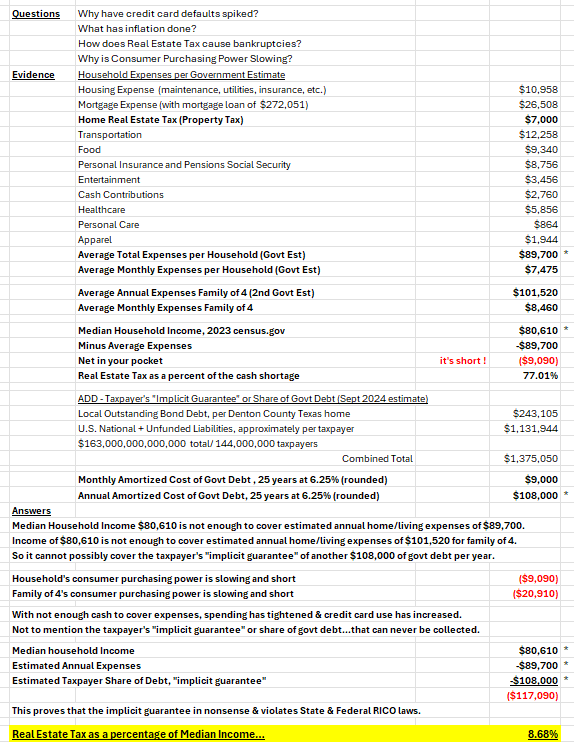
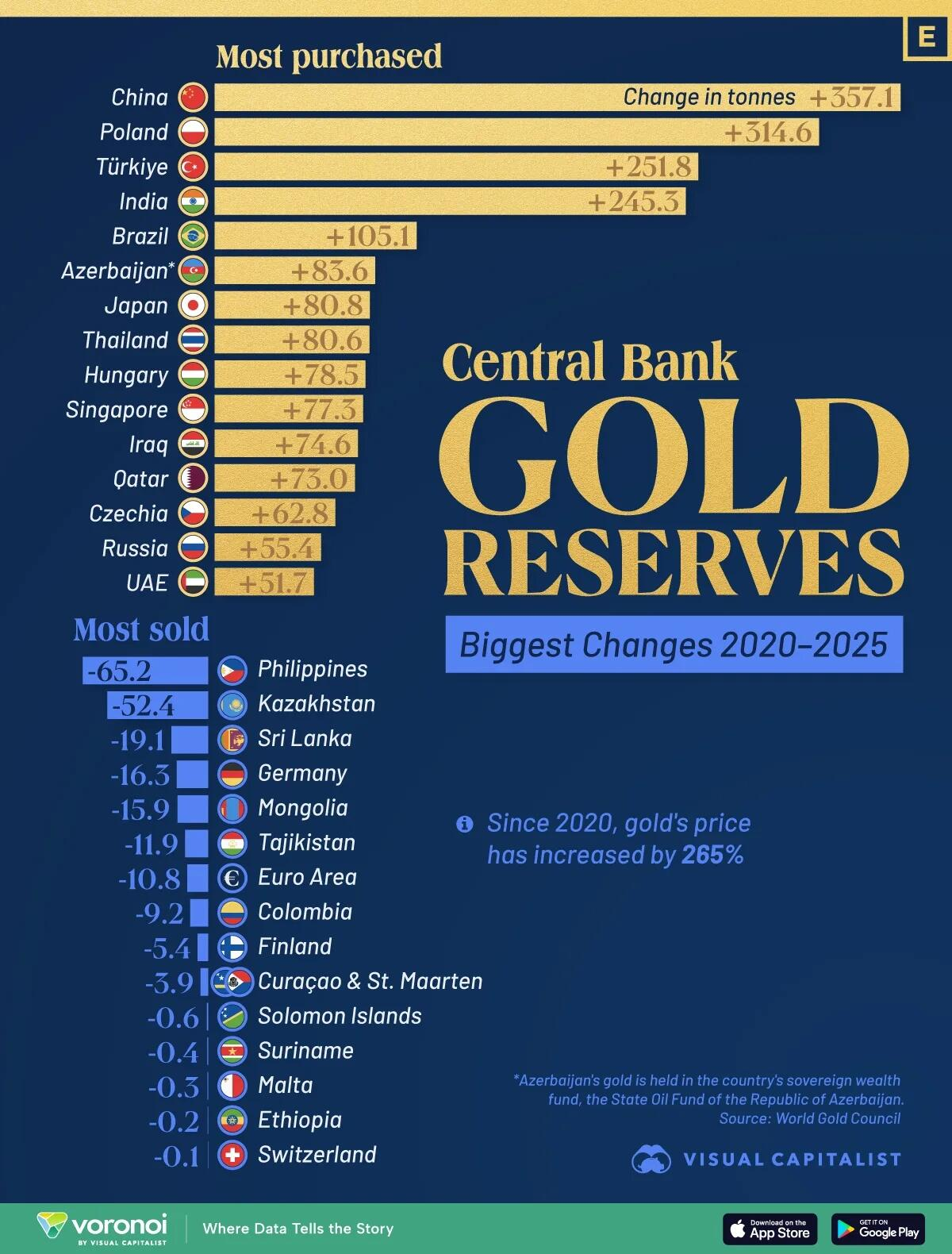
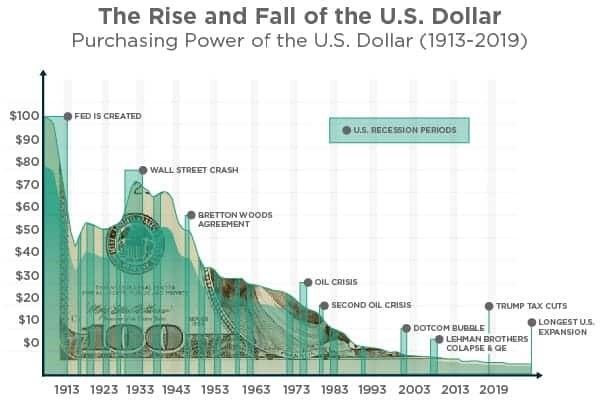
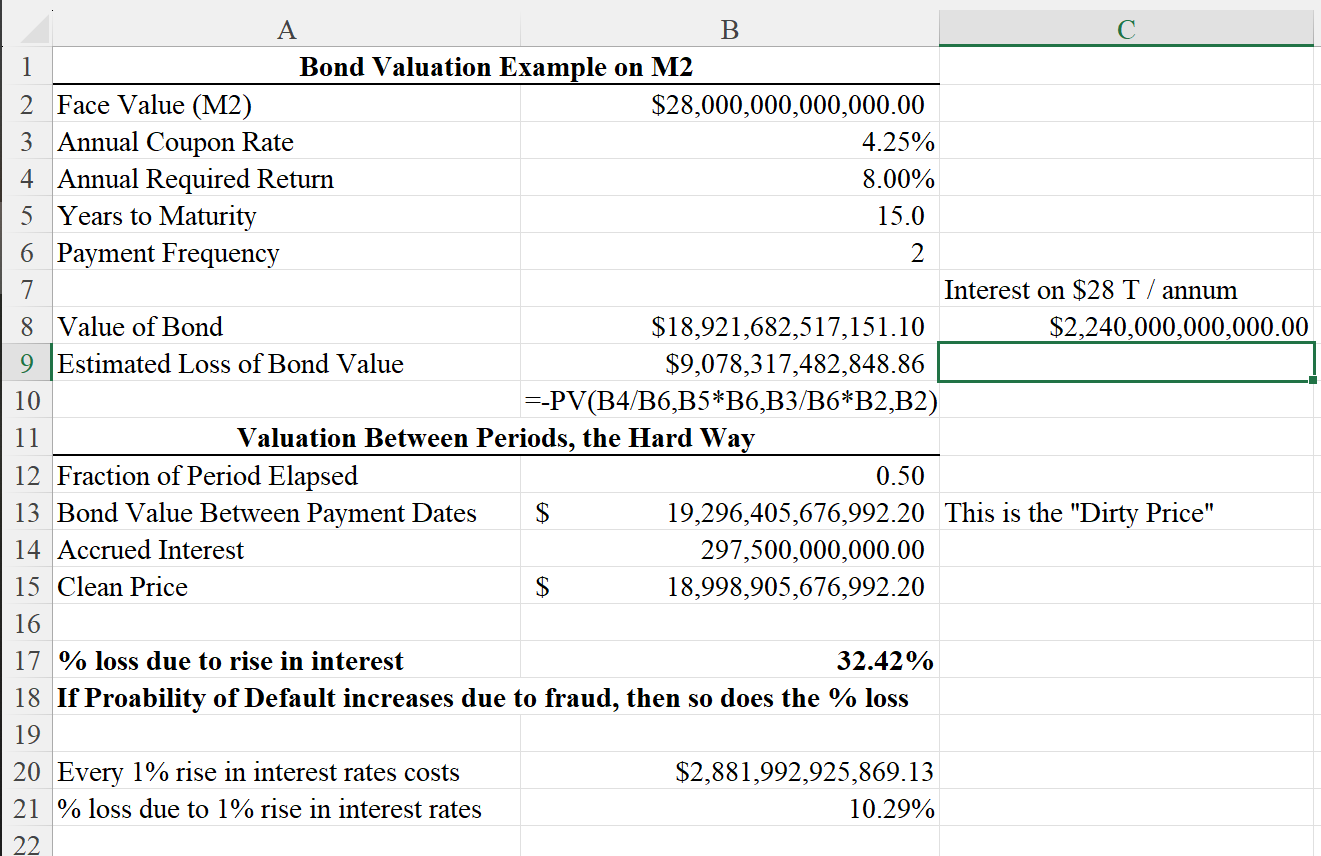
Having people installed in positions of power via voting fraud i.e. school district boards who vote for bonds, affects every single property taxpayer, and, in reality, every single citizen as a result of inflation caused by fraudulent bonds and the interest thereon which grows compound cumulative.
The fraud upon society has compounded over generations to the point that there is a very high probability the bonds will devalue not just within the United States shores, but globally.
The chain of causation and effect is very real.
The importance of public access to CVRs (Cast Vote Records)
Texas law provides a particularly concrete starting point.
Under Texas Election Code § 1.012(f), maintained ballot images and cast vote records become available for public inspection beginning the day after the final canvass, subject to applicable privacy and ballot-secrecy protections. The Texas Secretary of State has published implementation guidance.
https://tcss.legis.texas.gov/resources/EL/htm/EL.1.htm?utm_source=chatgpt.com
This means a request for the original CVR exports and their associated documentation can be framed as a demand for compliance with specific election-record requirements, rather than as a generalized accusation.
Any refusal should be documented precisely: what was requested, when, under which provision, what the custodian provided, the reason given for withholding anything, and which review or enforcement mechanism applies.
This process takes time, and once in focus by the criminals, we have seen CVRs be swapped out.
The non-adjudication issue
My comparison with the property-tax cases and SCOTUS docket 26-179 raises a separate constitutional concern: whether a person can obtain meaningful review of an alleged violation.
Non-adjudication is not exoneration.
The integrity of an election should be instantly (without hiding behind hurdles…intentional subterfuge) independently verifiable.
Individual voting offenses require proof concerning particular voters and ballots. Allegations of electronic manipulation require authenticated evidence concerning the operation of the voting system.
Where original election records are legally available, access to them should not depend merely on whether officials agree with the conclusions of the person requesting them.
Preserve the evidence. Produce the records required by law. Independently reconcile the voter-participation records, paper ballots, CVRs, and certified totals.
If they agree, document how they agree. If they do not, identify the discrepancies and investigate their causes.
No allegation should substitute for proof, and no official assurance should substitute for independent verification.
Ultimately, the issue worth pressing is not whether election officials have something to hide. It is whether they are complying with their legal obligations and
whether the reported results can withstand independent, reproducible examination of the original evidence.