



The Trigger
The Tipping Point into Dynamic Contagion
By Mitchell Vexler, October 14, 2026
In the
France sovereign-debt article
written by Phoenix Capital, it argues that France is moving into a structurally dangerous debt position. It cites roughly
€3.6 trillion of public debt, about
119% of GDP, a deficit around
5.4% of GDP, planned borrowing of
€340 billion, and a rising interest burden. It emphasizes that much of France’s older low-rate debt has not yet been refinanced, so higher rates will continue feeding into debt-service costs over time.
The article’s central argument is that France has limited policy escape routes. It says France cannot independently print its own currency, faces major political resistance to spending cuts, already carries a very heavy tax burden, has weak growth, and has a large share of debt held by non-residents. The article therefore portrays France as increasingly dependent on the bond market’s willingness to refinance the state on acceptable terms.
It also notes that French sovereign spreads widened sharply and that, at one point, France was trading at a wider spread than Italy and Greece. The article further states that some French investment-grade corporate bonds were yielding less than comparable French government debt, which it interprets as a sign of deteriorating sovereign credibility.
Isn’t it interesting that Dynamic Contagion as a result of failing bonds and fraud is described in detail throughout these documents.
- Bond Credibility Chain (links)
- Terminal Failure
- Request for U.S. Treasury Data Verification
- Formal Notice of Criminal Allegation
- Video Presentation – Bond Credibility Chain
- Bond Discussion – Q & A
- Letter to President Trump (Received by the White House October 13, 2026)
- Constitutional Crisis - 1 Page Summary
- Petition for Rehearing SCOTUS
All of which are on www.mockingbirdproperties.com/dcad and all of which are components of the evidenced fraud and have been prohibited from adjudication by any court, so far.
The Paul Tudor Jones / equity-supply article focuses on a different but potentially related pressure point: a large increase in U.S. public-equity supply expected in 2027. The article reports Jones warning that 2027 could be extremely challenging for stocks and saying he expects to remain short for the year.
The article says roughly $1.7 trillion of shares could become eligible for sale as IPO lockups expire, alongside around $600 billion in new equity issuance, creating what it describes as the largest increase in net U.S. public-equity supply since 2000.
It also identifies an important counterbalance: large expected corporate buybacks. But it specifically warns that higher interest rates could weaken that support because debt-financed buybacks become more expensive. The article also points to weak market breadth and heavy index concentration as vulnerabilities if bond yields continue rising.
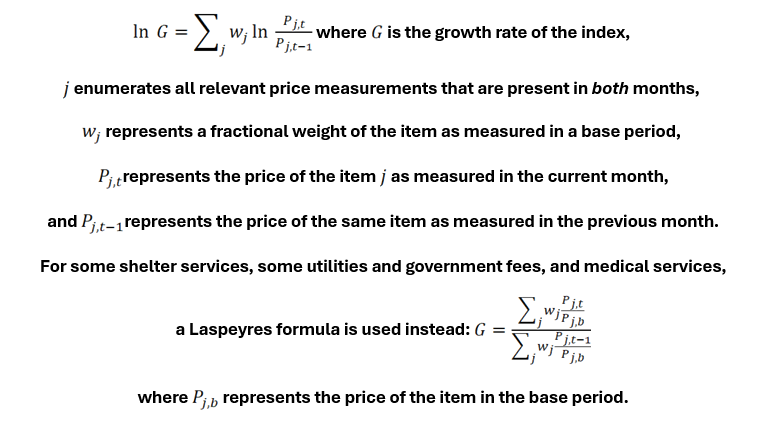
The September 2026 CPI report shows inflation remaining hotter than desired. The source (BLS) reports 0.6% month-over-month CPI, 3.7% year-over-year headline inflation, a 9.1% rise in gasoline, 5.2% rise in energy, and 0.4% rise in shelter.
It also reports core inflation running stronger than expected, with the 3-month annualized core rate rising to 3.4% from 2.0% in August. (US Consumer Price Index – September) The immediate market implication in the document is that traders increased expectations for additional Federal Reserve rate hikes, reflecting concern that inflation pressures may require tighter monetary policy for longer.
Taken together, the three documents describe three separate stress channels:
- Sovereign debt stress: France is becoming more vulnerable to refinancing costs and bond-market confidence.
- Equity-market supply stress: 2027 may bring unusually large new equity supply at a time when valuations and market breadth are already fragile.
- Inflation / rate stress: U.S. inflation remains elevated enough to constrain how aggressively central banks can ease.
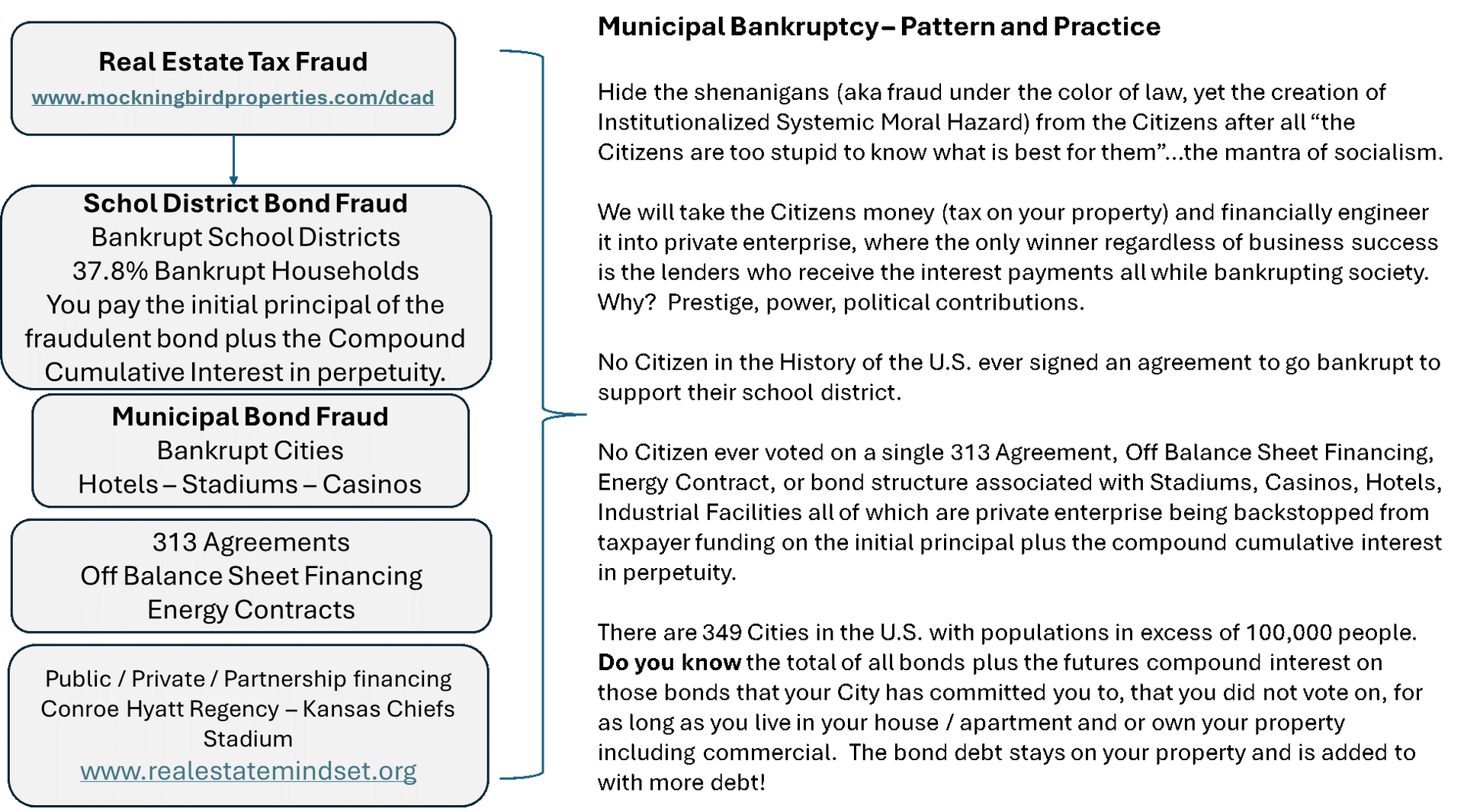
No one knows the exact trigger, but France could be the first country to default on its debt. This event has a high probability of global Dynamic Contagion (Level 2). In the U.S. we have cities, and states that also cannot make good on the fraudulent debt they created that being part of Dynamic Contagion (Level 1).
One could say that France has several possible options such as restructuring/default, ECB intervention, fiscal repression, political austerity, inflationary accommodation at the euro-system level, or some combination. What the record does show is that France’s room to maneuver is becoming dangerously narrow and none of the options are viable individually or in combination. Further as I have stated many times, the entire concept of the European Union was doomed from inception and more than likely the European Union will fall apart as its sole goal was just like the Federal Reserve which is to print money and extract wealth to cover off the interest on printing of money.
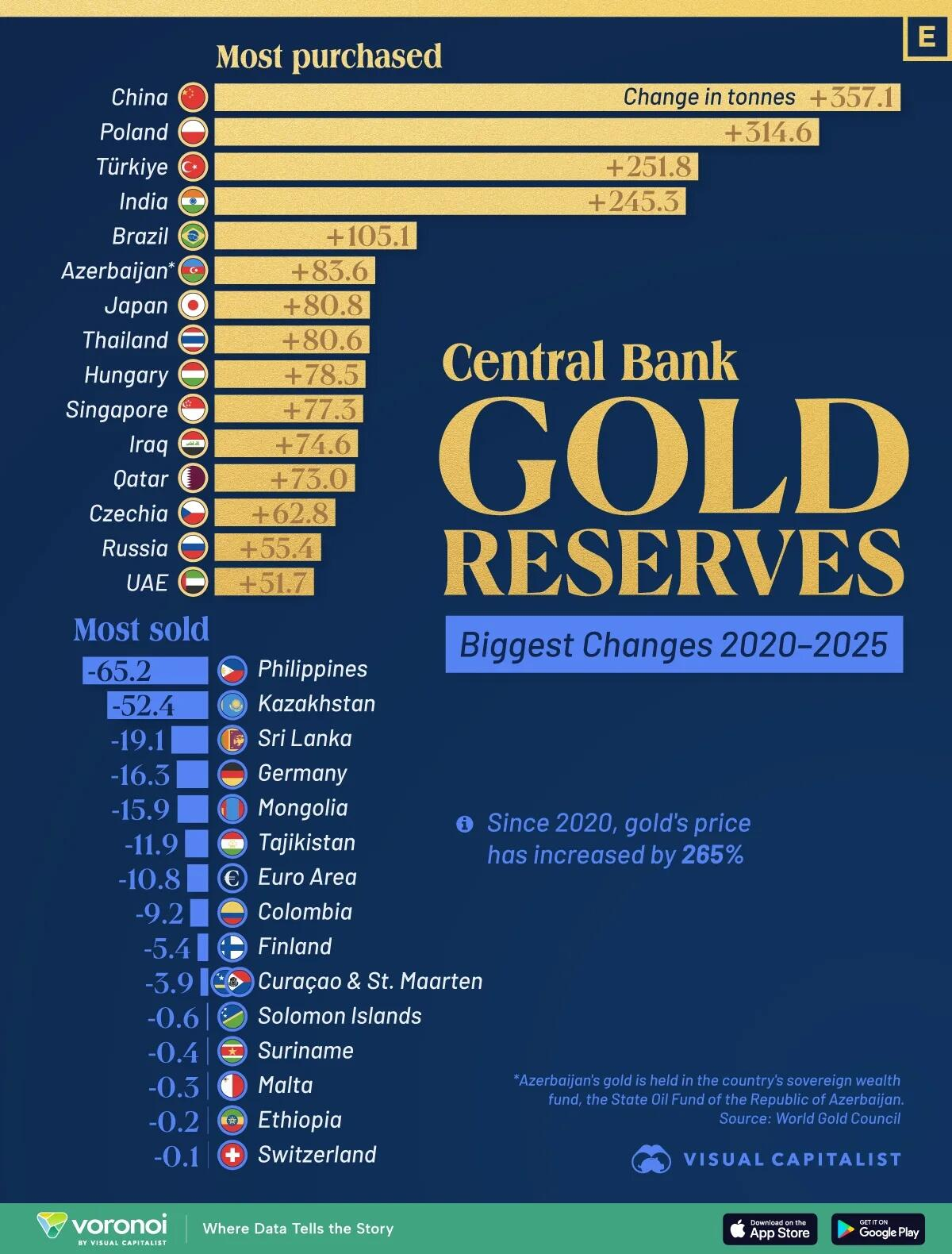
It is important to point out that there is a viable option that the governments don’t want to discuss which is Debt Jubilee – Why X cannot Exceed Y (link) which in combination with backing the U.S. dollar with commodities, such as precious metals, and being pro-active with regard to slowing Dynamic Contagion, there are options that could help.
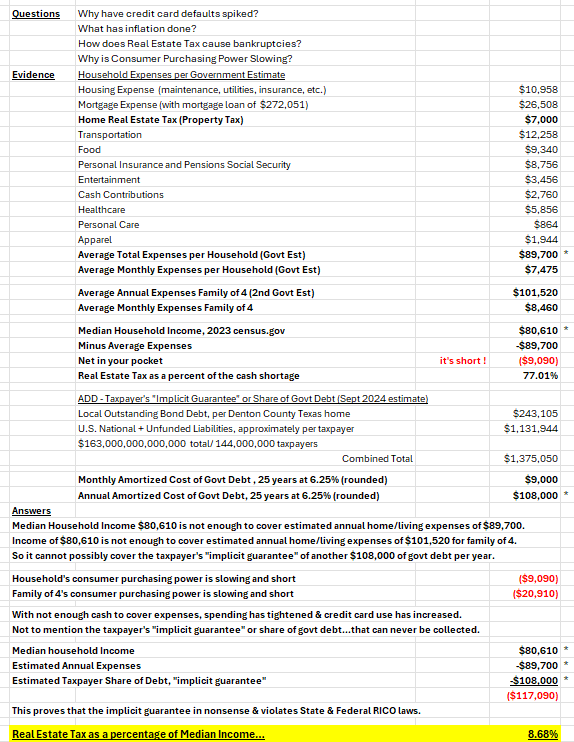
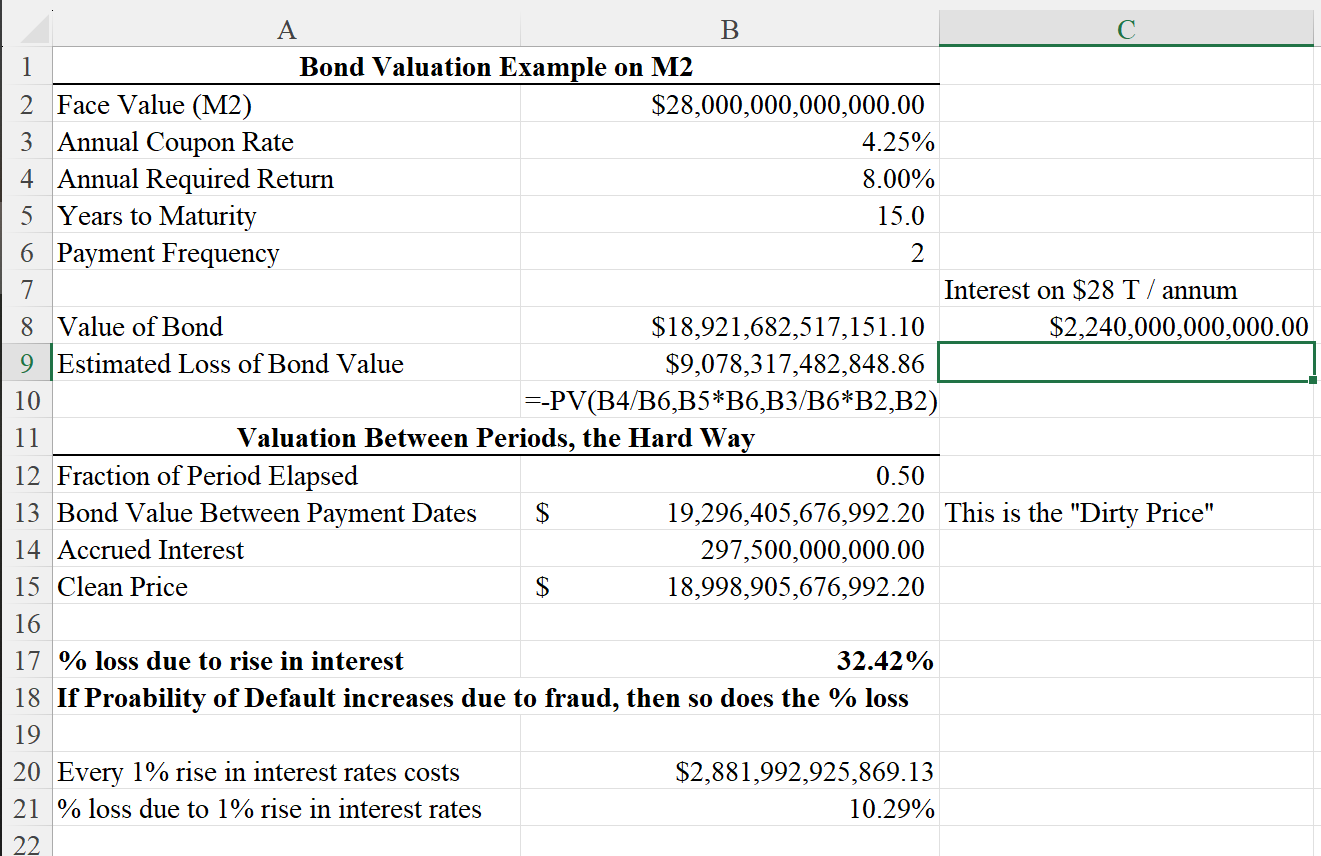
The structural problem is exactly the one discussed in the Bond Credibility framework: the refinancing clock is not the same thing as repayment capacity. The article’s own framing is that France cannot independently print euros, faces political constraints on cuts, already has a very heavy tax burden, has weak growth, and has substantial foreign ownership of its debt. That is essentially an X > Y problem at the sovereign level.
Then add this morning’s U.S. CPI. Headline CPI rose 0.6% in September and 3.7% year over year. Gasoline jumped 9.1%, energy 5.2%, shelter 0.4%, and the reported 3-month annualized core rate rose to 3.4%.
That matters because inflation interferes with the normal rescue mechanism. If sovereign stress erupts while inflation is still elevated, central banks have a harder choice:
support bonds → risk worsening inflation / currency credibility
or
defend inflation credibility → allow yields and refinancing costs to remain high
That is the environment where nonlinear Dynamic Contagion (Level 2) becomes possible.
And the Paul Tudor Jones material adds a third vulnerability. The article says $1.7 trillion of shares may become eligible for sale in 2027, with another $600 billion of new corporate equity issuance, producing what Goldman describes as the largest rise in net U.S. public-equity supply since 2000. It also explicitly identifies higher interest rates as a vulnerability because they could reduce buybacks and pressure valuations.
So, the combined chain (BOND CREDIBILTY CHAIN) now looks like this:
Sovereign credit deterioration
→ widening spreads
→ refinancing at higher rates
→ fiscal deterioration
→ sovereign bond repricing
→ bank / insurer / pension collateral losses
→ risk-off selling and liquidity demand
→ equity valuation pressure
→ reduced buybacks / weaker risk absorption
→ flight into perceived safe assets
→ but persistent inflation limits monetary rescue capacity
→ additional rate volatility
→ further credit repricing
→
Dynamic Contagion
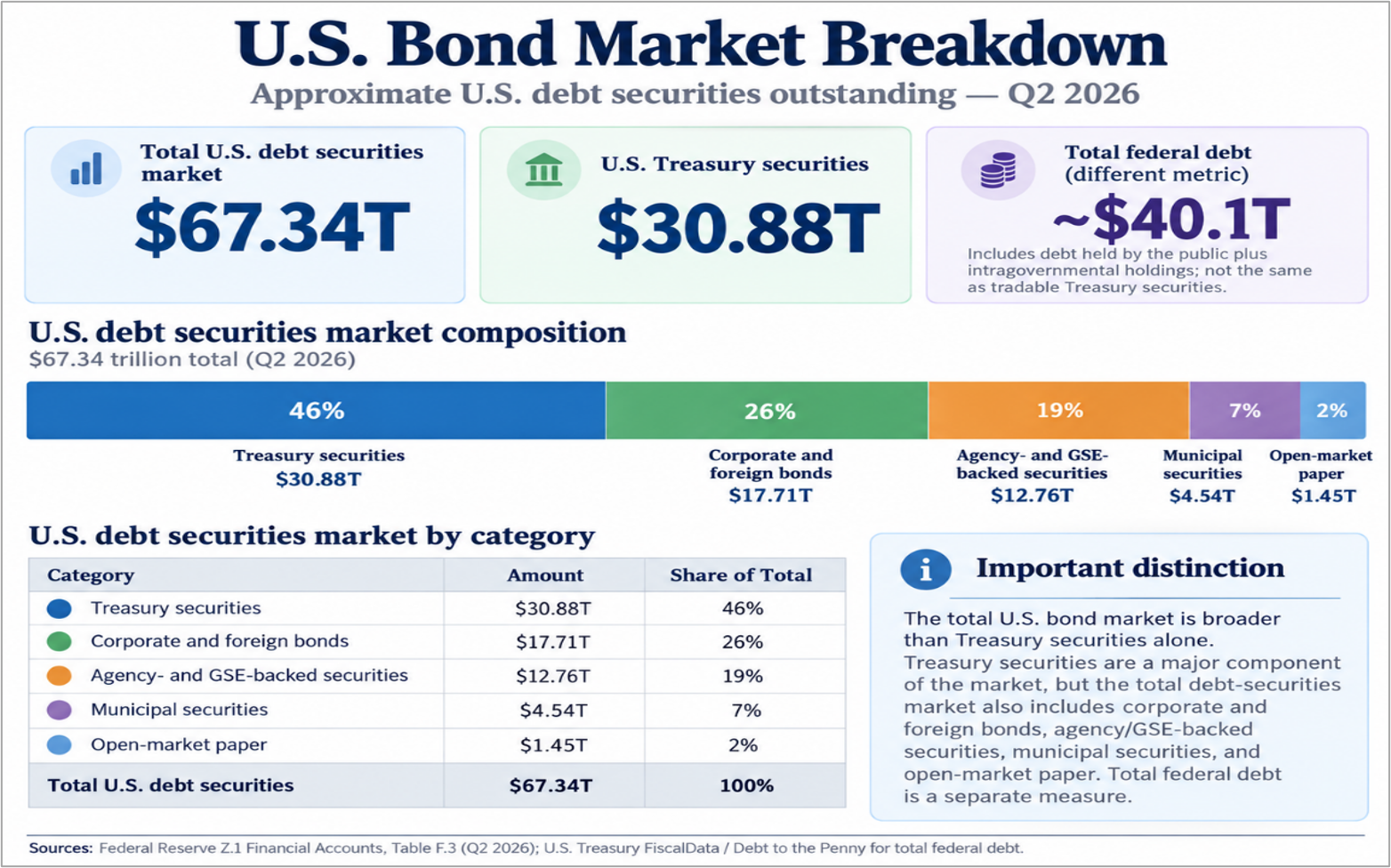
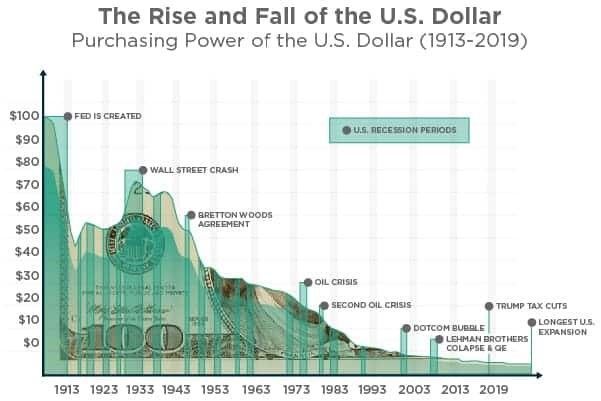
There is one important nuance. In the first stage, French or European stress could actually strengthen U.S. Treasuries, not weaken them, temporarily. The France article points out that during the 2011 Euro crisis, capital fled Europe and moved into Treasuries, pushing U.S. yields down. However, this ignores the fact that U.S. school district fraudulent bond debt estimated at $5.1 Trillion also cannot be paid off. U.S. Debt to GDP is also unsustainable.
No one knows the trigger. France may be the trigger, or merely the first warning. The critical fact is that the conditions modeled in Dynamic Contagion are no longer theoretical: sovereign spreads are widening, debt is refinancing at higher rates, inflation is reaccelerating, and risk assets face increasing supply at the same time central banks have less freedom to respond.
And then:
The trigger does not have to be large. It only has to force the market to ask whether X can actually be paid by Y.
That fits the Bond Credibility Chain perfectly.
France appears to be entering a debt structure in which every available adjustment mechanism carries serious economic, political, monetary, or credit consequences. Default is one possible endpoint; forced intervention, restructuring, inflationary accommodation, or fiscal repression are others. The market is beginning to price that loss of flexibility.
This situation is more alarming because it shows the issue is not one binary default event — it is a system losing viable exits.