

The Flaw of Private Equity and You Will Pay the Price!
By Mitchell Vexler, March 1, 2026
On the surface, in a typical private equity corporate structure, equity is primarily represented by the contributions of Limited Partners (LPs) and the General Partner (GP). LPs usually provide the majority of the needed capital, while GPs contribute a much smaller portion, if any. As an example, GP equity within Blackrock is not disclosed, nor is the GP equity within individual divisions of the structure.
Notice, I said “on the surface”!
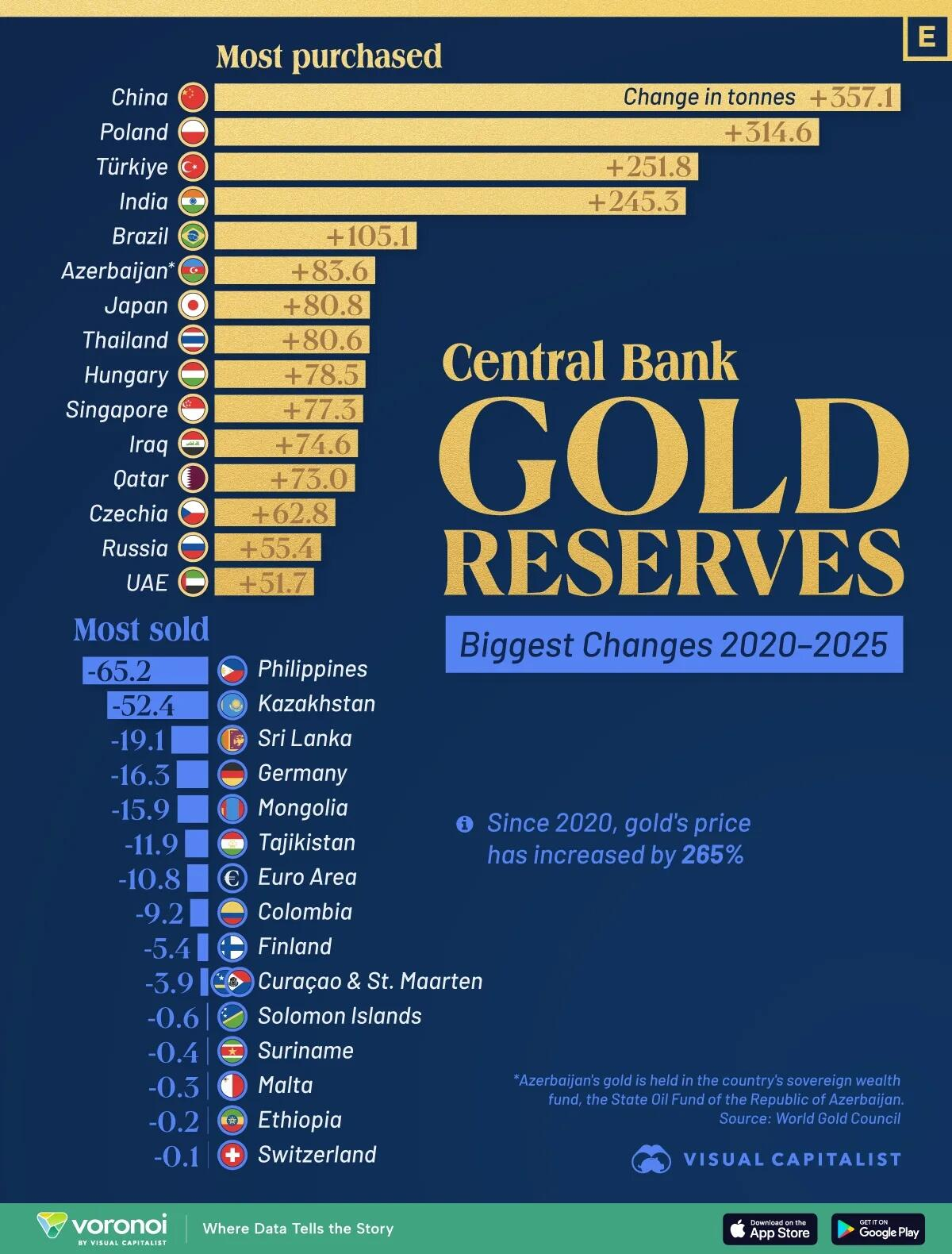
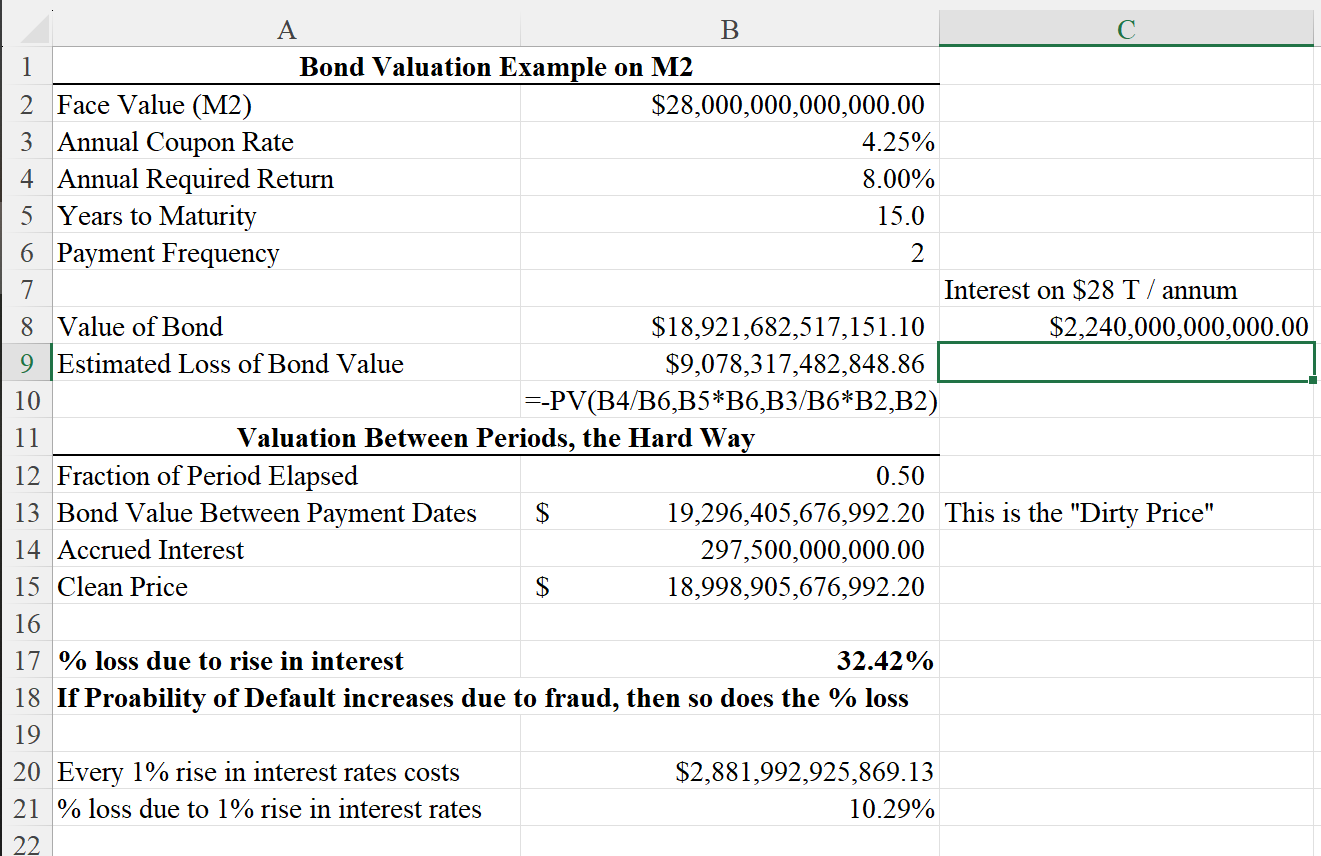
Below the surface are more commonly used scenarios to boost Return on Equity (ROE) at both the GP and LP level, but that boost comes at a highly leveraged cost, for which leverage and resulting failure may be paid by the bail-in method of the cross collateralized source of loan funding being the banks. This means your bank account is the source of the capital to bail out the big private equity firms many of whom are the shadow banks who may have Pension money or 401Ks as investors, and whose loans themselves may be cross collateralized and highly levered.
This is how it is done:
1.
Alleged GP Equity can be derived from multiple sources including bank financing, and other private equity firms, meaning, aside from profit, it has a cost of carry. The bigger the investment targets, the higher the probability that the GP Equity is stacked and extreme leverage on the debt component is deployed.
2.
Acquiring existing operations / companies means that institutional borrowing (banks) is available. Utilizing capital, with less than LP equity cost of capital, can boost the ROE on a % basis, but it has a hidden cost in terms of how much of the Private Equity Firm’s corporate collateral was pledged as collateral.
Utilizing off balance sheet financing by private equity firms involves excluding certain liabilities from their balance sheets to improve above the surface financial ratios and attract investors. This can include methods like operating leases and special purpose vehicles, but it carries risks if used to obscure financial realities. #1 & 2 above could lead to a combined equity of just 5% or less, leaving almost no protection against the entire portfolio of the PE firm (shadow bank) should just one division within the umbrella fail. Lehman Brothers is a prime example wherein it failed primarily due to its heavy investment in risky mortgage-backed securities tied to the subprime housing market, which collapsed during the financial crisis. This led to a severe liquidity crisis, ultimately resulting in the largest bankruptcy filing in U.S. history, at that time, on September 15, 2008.
3.
The more hidden the true structure of equity and then the layering multiple investments (stocks, bonds, leveraged buyouts, mutual funds), the higher the probability of excessive leverage and the higher the probability that the balance sheet and income statement are meaningless as the transparency of the cross collateralization is impossible to track without a full audit and that would not be easy because of the financial engineering buried within the loan and acquisition documents. (see Tricolor, Blue Owl, and Market Financial Solutions in UK, etc.) Many entities under the umbrella of Private Equity have gone bankrupt such as A&P Grocery, Claire's Retail, Red Lobster Restaurant, TGI Fridays Restaurant, Forever 21 Retail, Joann Retail, At Home Décor Retail, Party City Retail, Hooters Restaurant, and Kmart. The nexus between all these companies is the debt and overleverage deployed by PE to boost the initial proformas which are used to attract capital. The question then becomes how many bad over-levered transactions can each PE firm withstand and what is the true collateral backing the positions?
4.
#3 above means that the larger the PE firm the greater the risk exposure. It is the exact opposite of what the public believes. See the Bernie Madoff story, which is the abject definition of suspension of willing disbelief. Suspension of disbelief is the willing avoidance of critical thinking and logic in understanding something that is unreal or impossible in reality, such as something in a work of speculative fiction, in order to believe it for the sake of enjoying its narrative. This is a form of Kabuki Theater and historically, the concept originates in the Greco-Roman principles of theatre, wherein the audience ignores the unreality of fiction to experience catharsis from the actions and experiences of characters. Or, in plain English, one wants to enjoy the story of the snake oil salesman and thereby suspends rational thought and questions of “what if”.
5.
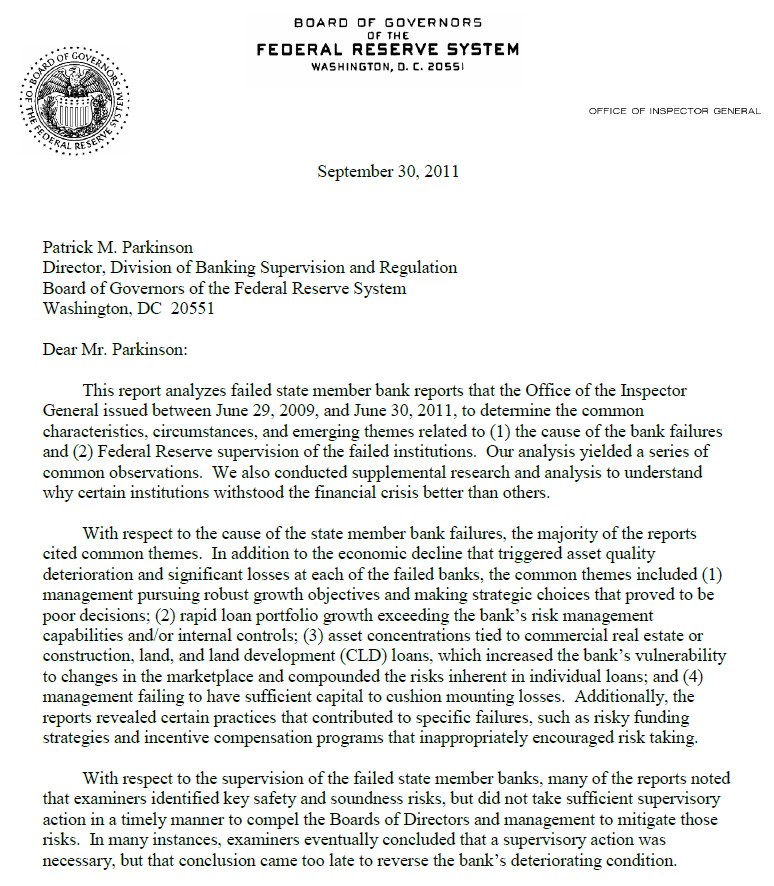
Regardless of their fiduciary responsibility, the PE firms on the surface are segmented with multiple divisions, but that does not take into account the cross collateralization, or the 3rd party counter risk, or what will be the eventual unwinding of the PE firm, based on the over leverage and intentional lack of accountability wherein the management states “it was this segment of the company that caused the collapse of the firm” or “we did not understand the cross collateralization and we would have been fine if we could have raised more LP equity but the market at the time was weak (aka Ponzi scheme)”. The best example of self-delusional thought is this quote from Alan Greenspan wherein he acknowledged a state of "shocked disbelief regarding the failure of lending institutions to self-regulate”, which contributed to the financial crisis. He admitted that he and others who trusted the market to regulate itself made a serious mistake. Except for one problem…was it not the job of the Federal Reserve to oversee the financial collateralization of the institutions that the Fed loans money to in the Reverse Repo??? This is exactly why the doors of the federal reserve should be Chained Shut and why I wrote The Federal Reserve is a Failure.
The point to the above is that leverage kills and being highly levered is an assurance of mass destruction, which when it breaks, will spin out of control very quickly as everybody heads for the exits simultaneously. The Thread of Inconsequential Actions details government entities which choose to turn a blind eye to what is mathematically quantifiable & politically visible and politicians modify laws to placate the public, only exacerbating the growth of the debt...with no person or entity held accountable which brings us to
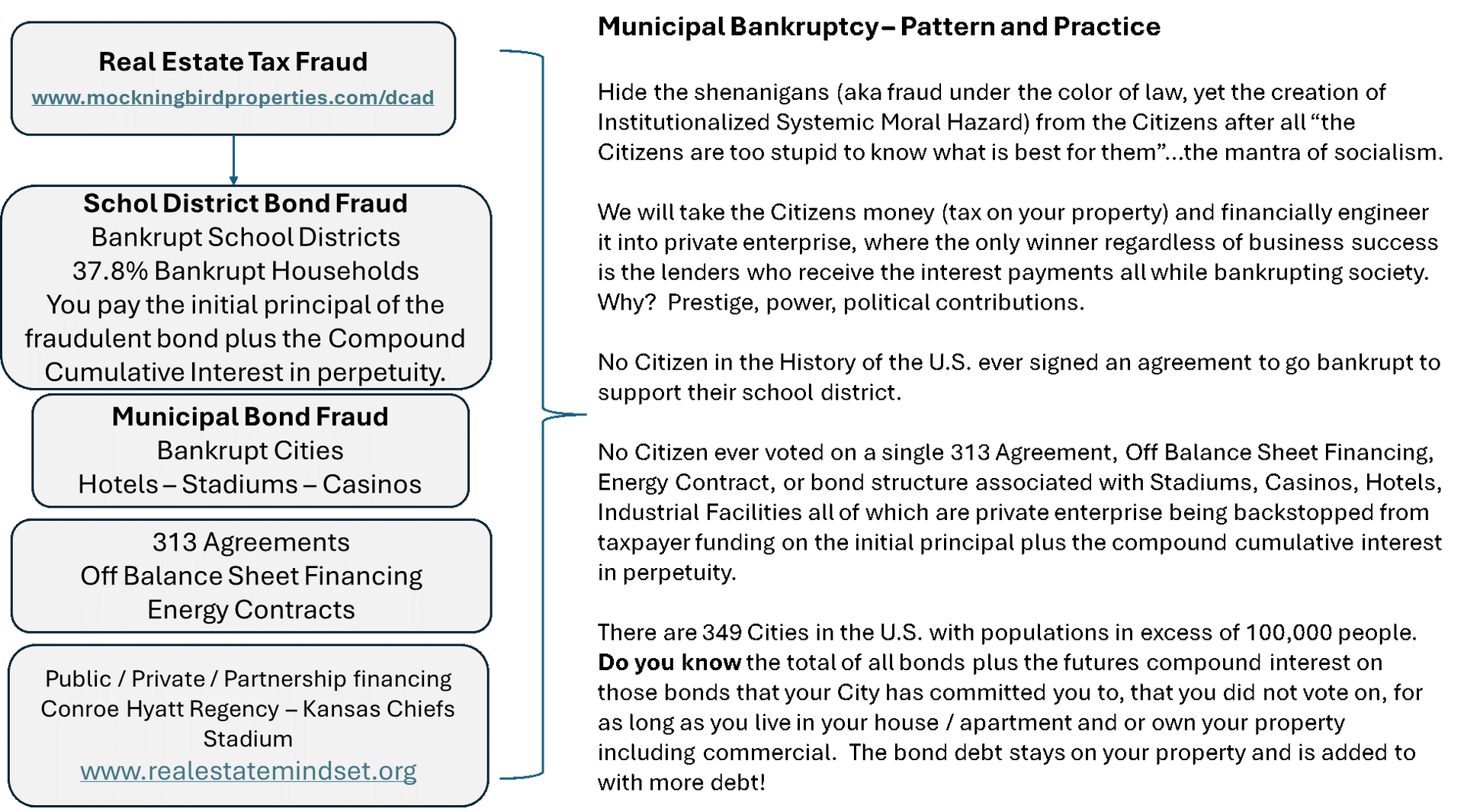
The Importance of the Vexler case to Texas and the United States. The failings of both PE and the school districts are one in the same, which is lack of transparency, the ability to violate the black letter of the law, resulting in the necessity of bailouts or additional taxes to pay for their financial crimes.
Even though the rate of return could be less, protecting the assets and equity with minimal leverage provides a stable return on investment (ROI) and the return of the investment, which must be the primary goal.
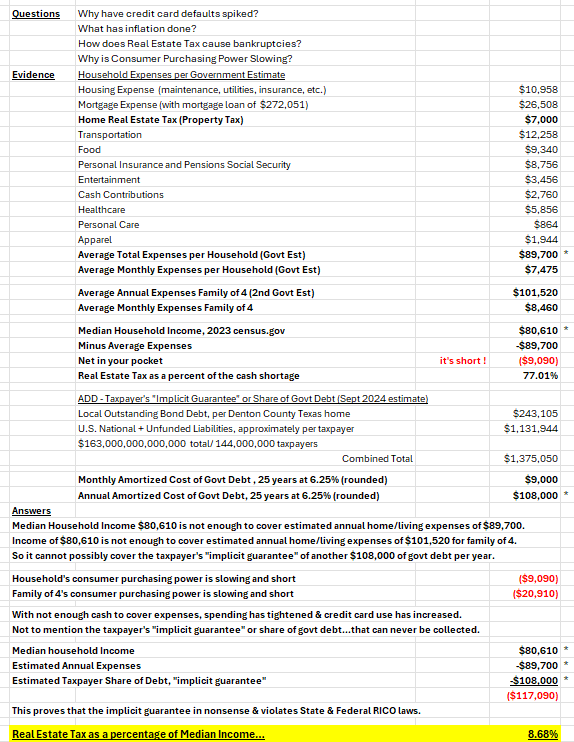
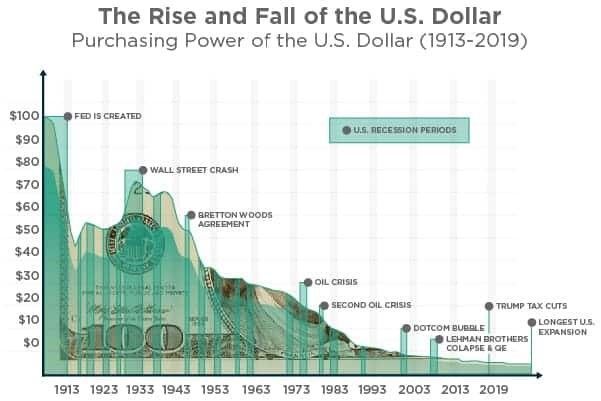
The money does not exist at either the Median Household Income (MHI) or the Federal level to print a way out of this reality, and if printed, would cause hyperinflation, which would be the direct result of backing fraud.
Fraud exists not just at the corporate level via the shell game of cross collateralization and extreme leverage, but also within School Districts that raise bonds, wherein the MHI does not exist to pay for the interest on those bonds never mind paying off the bonds. See Vexler’s lawsuit interferes with our ability to commit fraud.
If housing is to be made affordable,
the solution is to repeal all property tax in favor of the Uniform States Sales Tax.