


Complexity Could Be Used for Subterfuge
To Elect or Not to Elect... That is the Question
By Mitchell Vexler, November 22, 2026
In the current voting “system” there are many levels of complexity, but those levels of complexity can be used to create subterfuge. What if we listed many of the issues of that complexity and the levels of people in one column and then pointed out that all that complexity and hypothesizing about what happened can be offset by the delivery of the Cast Vote Records, Ballots and the Voting Machines. In other words, if there is nothing to hide, then why not willingly deliver the solution as the law requires?
Let’s move the discussion away from competing explanations and toward independent verification of the actual records.
Rather than attempting to prove election manipulation from a population statistic, we ask a much more practical question:
Why debate dozens of possible explanations, when the original election records can be preserved, examined, and reconciled?
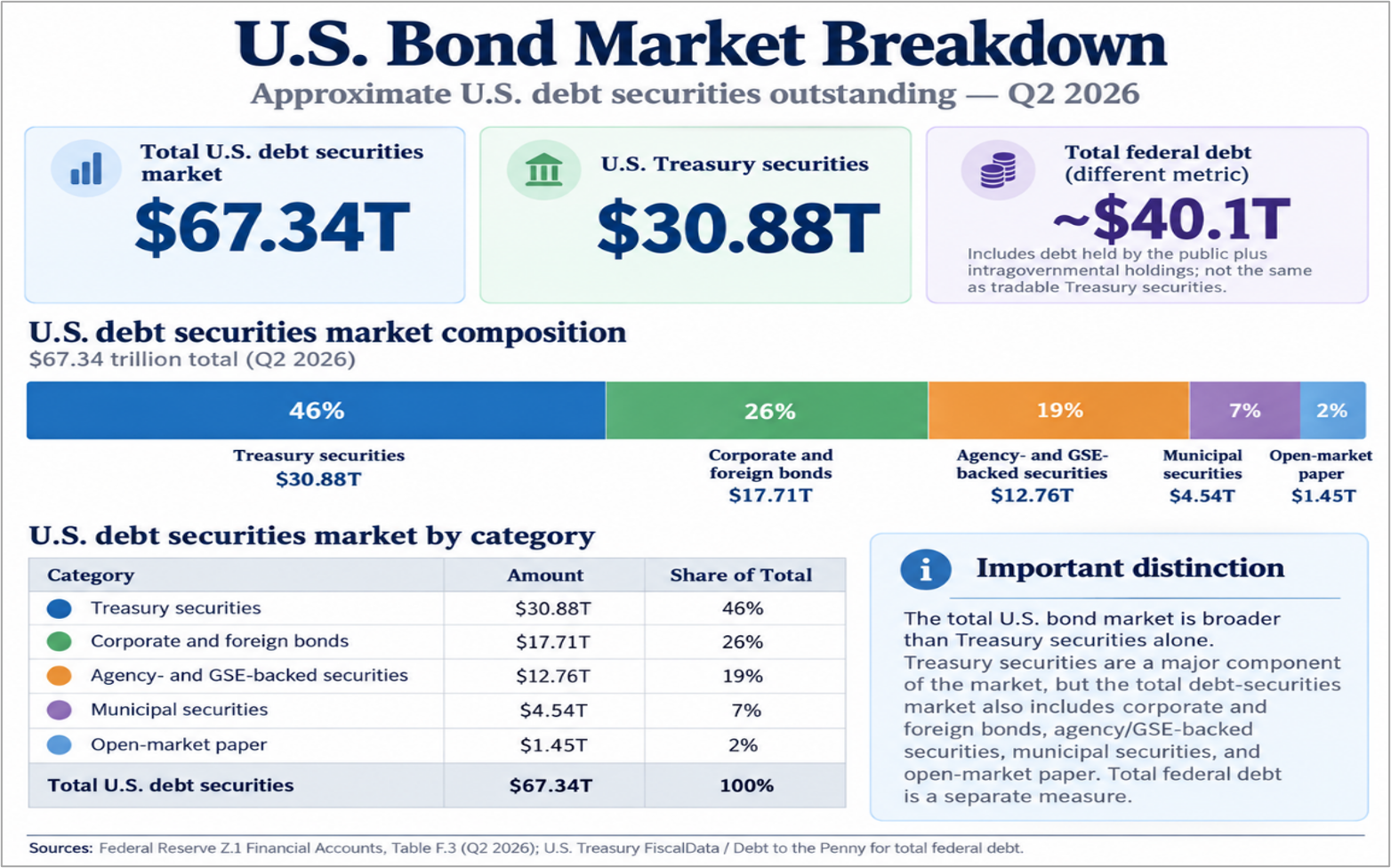
This is the exact principle we established in the Bond Genealogy within the Bond Credibility Chain (link) analysis and presentation:
- certification is an assertion of accuracy
- reconciliation is how accuracy is tested
First, the Tarrant County population figure per USAFacts:
- 138,062 in additional gubernatorial votes, 2022–2026
- 36,856 in reported population growth, 2024–2026
The arithmetic difference is 101,206, but those are not directly comparable populations or periods. That number is not a count of unexplained votes. More existing residents could have voted in 2026, and 2022-to-2026 population changes may differ from 2024-to-2026 changes.
The useful conclusion is that the figures alone cannot settle the question. We need the source records.
Proposed comparison: Complexity versus verification
| Layers of complexity and competing explainations | Independent records that test them |
|---|---|
| Population growth, deaths, births, migration, and newly eligible adults | Census estimates and dated voter-registration snapshots |
| Existing residents who voted in 2026 but not 2022 | Voting-history records and participation totals |
| Changes in registration, removals, inactive status, and address records | Registration histories, pollbooks, and eligibility determinations |
| Early voting, Election Day, mail ballots, and provisional ballots | Ballot accounting and post-election reconciliation reports |
| Different candidates, races, party preferences, and turnout | Certified precinct results and historical comparisons |
| Precinct changes, ballot styles, and district boundaries | Precinct crosswalks and election definitions |
| CVR exports, redactions, replacement files, and metadata | Original CVRs, version histories, export logs, and hashes |
| Tabulation software, machine configurations, updates, and access | Authorized forensic imaging, machine logs, test records, and configuration audits |
| Disagreement between electronic results and voter-marked selections | Independent comparison of paper ballots with CVRs and reported totals |
| Questions about custody, records access, and official certifications | Chain-of-custody records, surveillance where retained, and independent audit findings |
The central insight: These records do not make every question disappear, but they replace speculation with things that can be directly checked.
The three-record verification test:
- PAPER BALLOTS - What voters marked
- CAST VOTE RECORDS - How results were processed
- INDEPENDENT RECONCILIATION - Do paper records, electronic interpretations, audited equipment, & certified totals agree?
There is an important legal advantage to framing the request this way. Texas Election Code § 1.012 already provides for public inspection of CVRs and maintained ballot images after the final canvass, subject to voter-privacy protections. Texas also provides procedures for inspecting original ballots, while physical access to voting equipment involves additional authorization and security controls.
In fact, § 66.059 requires post-election reconciliation of voters accepted to vote and votes cast. That makes the official reconciliation reports an especially useful starting point alongside the CVRs and ballots.
WHY ARGUE ABOUT THE COMPLEXITY WHEN WE CAN EXAMINE THE RECORDS?
- One election.
- Millions of voters.
- Thousands of precincts.
- Hundreds of explanations for why the numbers changed.
- Population growth.
- Migration.
- Registration changes.
- Higher turnout.
- New voters.
- Mail ballots.
- Early voting.
- Provisional ballots.
- Software systems.
- Database processing.
- Certified returns.
Each explanation may be legitimate.
Each may contain information worth examining.
But explanations are not substitutes for evidence.
The central question is straightforward:
Did the ballots cast by lawful voters become the votes recorded in the Cast Vote Records and ultimately reported in the certified election totals?
We can answer that question through an independently documented examination of the original records.
Preserve the paper ballots. Authenticate the CVRs. Examine the relevant voting-system configurations and audit logs under lawful forensic procedures. Reconcile the ballot counts and certified totals.
If the records agree, show the public how they agree.
If they do not agree, identify the discrepancy, establish its cause, and determine the appropriate remedy.
The public should not have to rely exclusively on the assurances of the institution whose records are being questioned.
We are not asking for a predetermined conclusion.
WE ARE ASKING FOR THE RECORDS, THE RECONCILIATION, AND AN INDEPENDENTLY VERIFIABLE ANSWER.
SHOW US HOW EVERY VOTE GOT THERE.
The Complexity of Explanations and The Three-Record Verification Test make the exact same point at the Bond Genealogy.
A government record should be capable of independent verification from its origin to its final reported result.